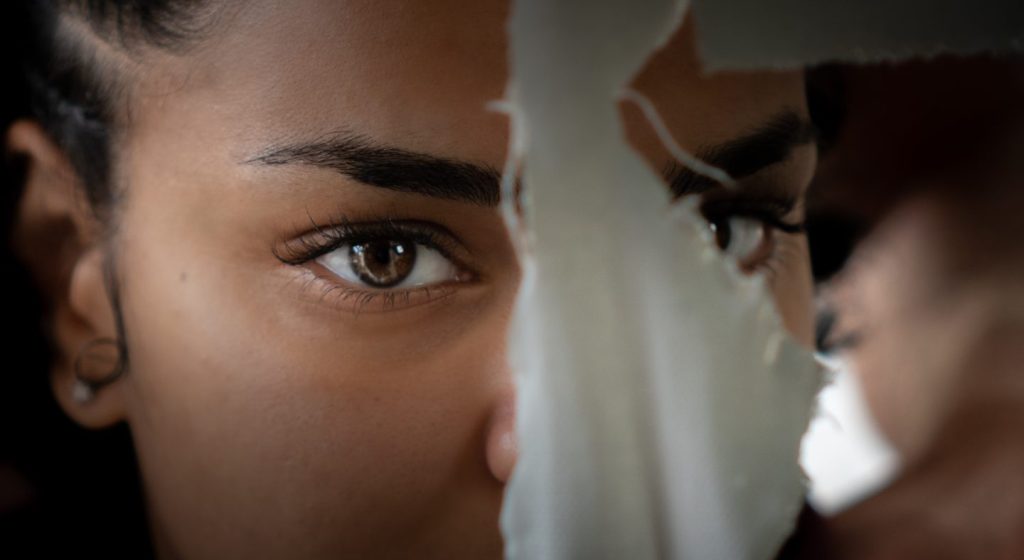
A black female painter struggles to paint her blank canvas because she hallucinates it as a shirtless white male.
In Memory of Allan Lopez
ACHIEVEMENTS:
- Trillvision Summer Film Festival Official Selection
CREDITS:
Writer/Director: Kai D. Wingo
Producer: Yasmine Cocotis
Cinematography: Allan Lopez
Editor: Meagan Noi Chitta
Colorist: Hieu Huynh
AC: Sean Coit
Boom: Tatum Anderson
PA: Izzy Eyre
Rania: Sophia Johnson
Jack: Jake Cavano
Music by: Neel Gaddipati
Art by: Gwyneth George, Jett Charvet
AD: Anali Cabrera
Gaffer: Jesse Mejia
Stills: Brooklynn White
STORYTIME:
I was on a run one day in December 2020. The George Floyd protest had been on my mind. By that time, most people had returned to their usual profile pictures, and moved onto whatever the next big tragedy was. As a young half-black man, the tragedy and the protest stuck with me. Oddly enough, the question I had was, “why was it such a big deal?”
1,118 people were killed by the police in 2019, out of which 300 were black people. Black people make up approximately 13% of the population, and they made up 27% of the police killings. Statistically, it is true that a black person is about twice as likely to be killed by the police than other races. However, there are 39 million black people in the US, and the likelihood of a black person being killed in the US is 0.0007%. This is an extremely small percentage.
Yet, the George Floyd/Black Lives Matter protest was a global phenomenon. From Los Angeles to New York, and to London to Tokyo. Wikipedia states an estimated 15 to 26 million people participated in the Black Lives Matter protests. A black person was more likely to be part of the protest, than to be killed by the police. How did a tragic, yet unlikely tragedy lead to this global phenomenon? Why did the rhetoric “Black Lives Matter” and “All Cops Are Bad” resonate with so many?

I walked to grab a doughnut after the run, and saw a cop standing in the sidewalk. Fear out of not wanting to cause any trouble, I walked across the street to the other side. I took the same action a subconsciously-racist white woman would have taken when they seeing a black man minding their business. I have internalized the fear of cops. Our subjective/internal realities are truer than the objective reality (if there is one). This “internalization” on the global scale is what I believed led to the historic Black Lives Matter movement. Furthermore, this is one of the dangers of racism; people internalizing unwarranted hate and seeing it in places where it does not exist.
I believed that it extended not only through race, but also sexism, criticism, or any kind of hate that exists in this world. How could I represent that on film? The idea I landed on was as written in the logline.
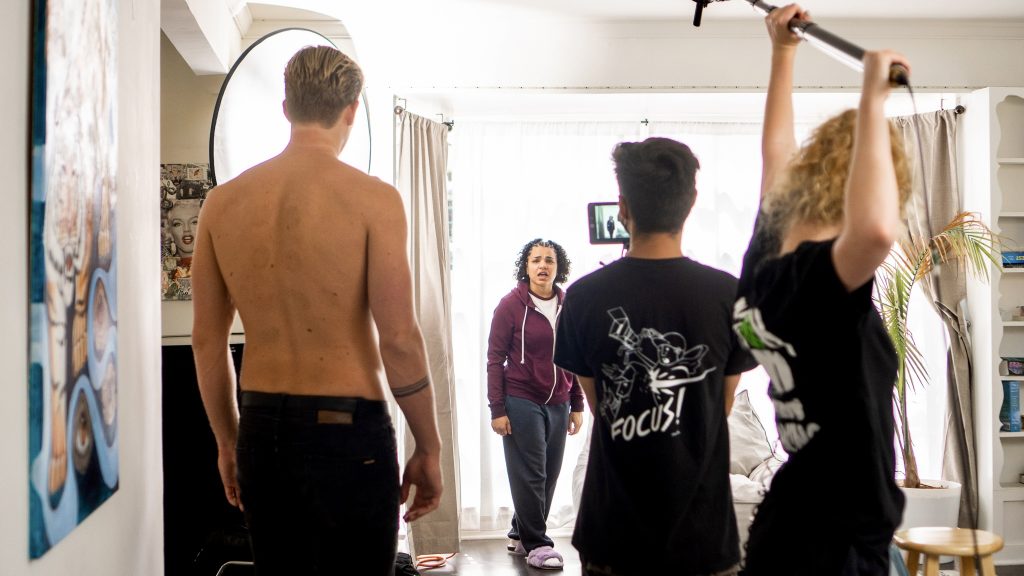

We went into production 2021. It was my first time directing, and honestly, the production didn’t go as plan at all. I had story boarded each cut after being inspired by Parasite, but the shots I’ve decided were poorly chosen. I had a hard time keeping on schedule, until Anali Cabrera stood up as an AD and pushed us through the finish line. I am grateful for the cast and crew who had been involved in the tiny project. I was happy when we finished that final shot. After we finished cleaning, and everybody had left, the DP Allan Lopez and I went on a walk talking about dreams and aspirations and whatnot. I remember it was an comfortably warm day.
I didn’t have a computer that could edit the film at the time and didn’t have the money to pay anyone, so Yasmine Cocotis offered to edit. Unfortunately, she was struggling with migraines at a time and didn’t have the time to really attend to editing. Couple months later after the shoot, I received a text from a producer, “have you heard from Allan?” I later found out that he had passed away. He had gotten into a car crash. I felt major guilt and shame for not completing the film, and instead of being encouraged to finish the film, I left it to dissolve from our memories…
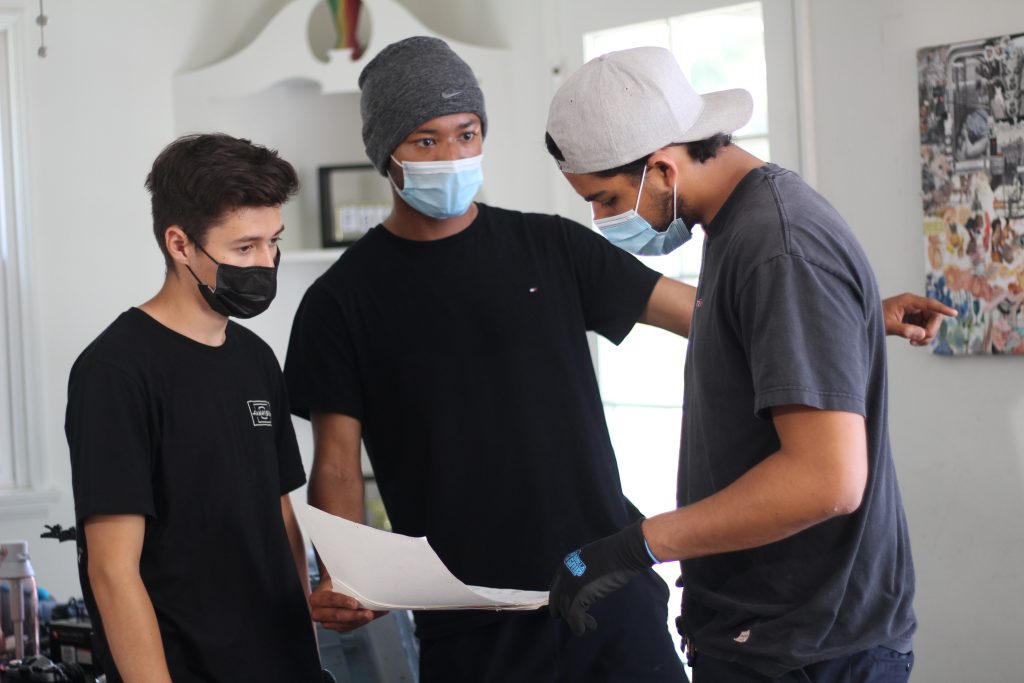
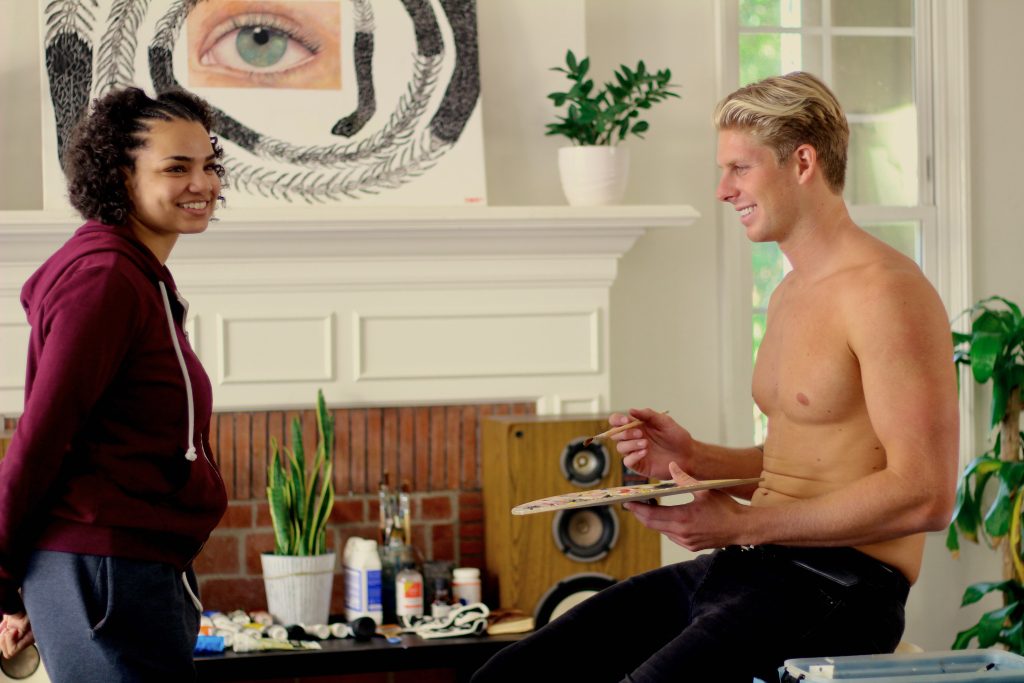

4 years had passed, and composer Neel Gaddipati and I were encouraged to make more coming off of Midnight Noon(2024). I had all the footage for What Rania Sees, and it was just what we needed to get creative. Plus, I had money to spare to also bring on board an editor and colorist. Dusting off the film after all this time, I had realized this film had pretty much nothing to do with black lives matter. It had more to do with myself; how I struggled against my own inner critic, how it had defeated me from pursuing my dreams. Despite the initial goal of ending on a more hopeful note, it ends on a somber one. It gave me an opportunity to reflect on my past self. Art can be therapeutic.
My pretension had me believe this film will go far, but reality was different. I’ve applied to eight film festivals, and it got into one, Trillvision. It gave me an opportunity to see how the audience reacted, and it definitely was an indifferent reaction. I really appreciate Trillvision for selecting this film because it gave it an opportunity to be seen in front of an audience.
It’s a bittersweet film for me, but I love it nonetheless : ) I hope to make more!!
WHAT I’VE LEARNED:
- Films are the reflection of the filmmakers life more than you think.
- Be willing to complete the film, even if you’re the only one.
- Nothing goes as planned, and that is the fun part.
- Consider how the film will be received by the audience.